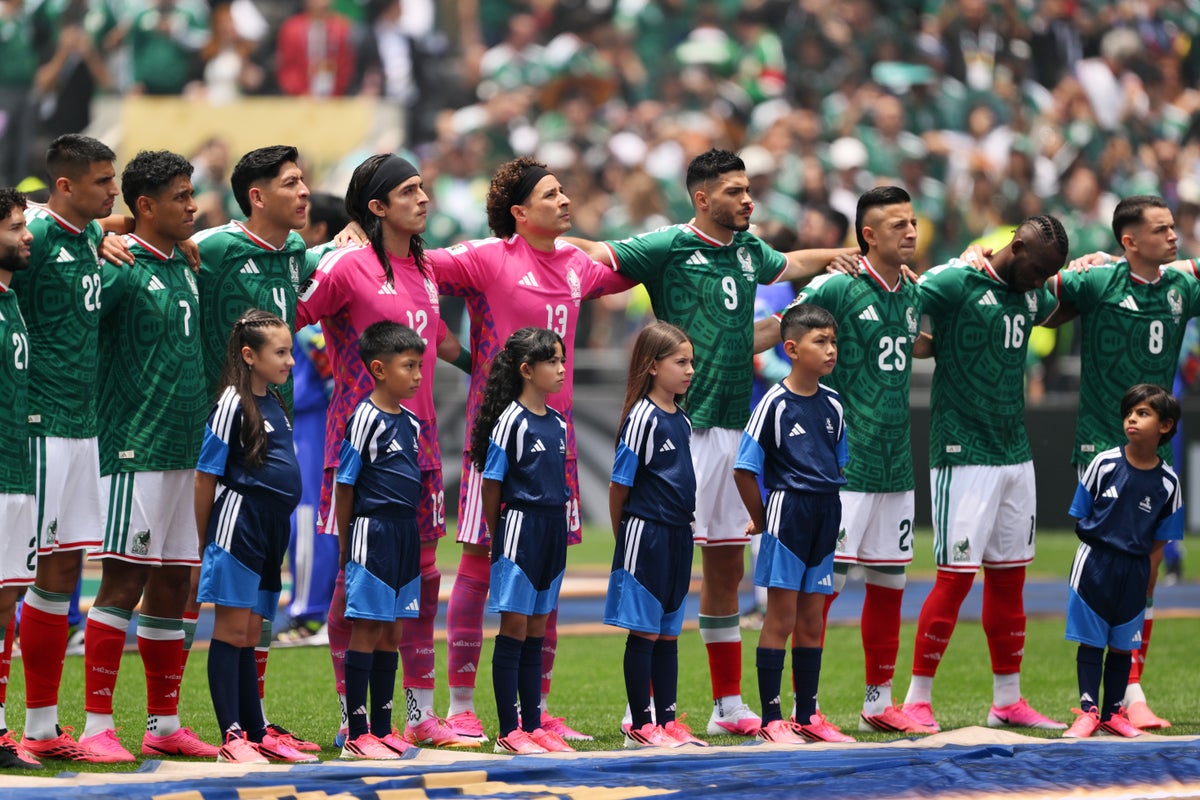
Walk through the streets of Guadalajara right now and you'll see a city caught between two completely different realities. On one corner, kids in green jerseys kick a soccer ball against a brick wall, screaming the name of Santiago Giménez. On the next corner, a federal police truck rolls by, packed with masked soldiers gripping automatic rifles. This is the 2026 World Cup in Mexico. It's a tournament where the sheer ecstasy of hosting the world's biggest party collides directly with a brutal, everyday anxiety.
The truth is, hosting the tournament was supposed to be a triumph. Instead, it has become a high-stakes tightrope walk. International headlines promise a festival of football, but locals face a much darker daily reality.
The Reality Behind the Stadium Lights
It's impossible to talk about the matches without talking about what happened just a few months ago. In February, a massive military operation took down Nemesio "El Mencho" Oseguera, the notorious head of the Jalisco New Generation Cartel (CJNG). The retaliation was immediate. Cartel gunmen blocked nearly 100 major roads, torched buses, and clashed with security forces, leaving dozens dead across Jalisco and Michoacán.
The violence hit right at the heart of the tournament prep. Guadalajara, the capital of Jalisco, is hosting four crucial World Cup games.
President Claudia Sheinbaum immediately went on the defensive. She held press conferences guaranteeing absolute safety for foreign travelers. FIFA President Gianni Infantino chimed in too, saying he felt very calm about the summer tournament. They want you to believe everything is under control. To an extent, inside the heavily fortified perimeters of the Estadio Akron or the historic Estadio Azteca, it probably is. The government will spend whatever it takes to protect the tourist zones.
But step outside those sanitized green zones, and the conversation changes completely.
Two Mexicos on Display
The contrast is jarring. In the major tourist hubs, the security presence is overwhelming. Thousands of National Guard troops patrol the hotels, fan zones, and transit routes. If you're a tourist flying into Mexico City or Monterrey with a match ticket, you'll likely experience a highly coordinated, frictionless environment.
For locals living in the suburban rings and rural municipalities just a few miles away, it's a different story. They don't have the luxury of temporary federal shields. For them, the cheers are mostly confined indoors. People love the sport, but they're deeply nervous. They know that when the final whistle blows and the international film crews pack up their cameras, the troops will leave too.
The underlying strategy of the Sheinbaum administration remains deeply debated. She has largely maintained the political map of her predecessor, Andrés Manuel López Obrador, focusing on social programs rather than a full-scale military war against the cartels. When high-profile kingpins get targeted, the resulting power vacuums spark local turf wars. That's exactly what people fear right now. The World Cup brings a temporary truce enforced by sheer numbers, but it doesn't fix the broken local security apparatus.
What Tourists actually need to know
If you're traveling for the remaining matches or planning a trip around the final knockout stages, navigating this environment requires logic, not panic.
- Stick strictly to official tournament transport and toll roads (cuotas). Avoid traveling between cities at night.
- Keep your footprint light. Don't flash expensive gear, cash, or jewelry in non-tourist areas.
- Register with your embassy's traveler program before landing.
- Monitor local news channels, not just sports networks, for real-time updates on transit blocks.
The games will go on, and the atmosphere inside the venues will be legendary. Mexico's love for football is real, vibrant, and contagious. But ignoring the shadow hanging over the tournament does a disservice to the people who live here long after the stadiums go dark.
Stay in the designated corridors, keep your wits about you, and respect the local reality. Enjoy the magic on the pitch, but don't forget the resilience of the communities hosting it.