A crowded coffee house in the middle of a bustling capital city isn't just a place to grab a drink. It's where the fabric of daily life happens. When a hidden bomb tears through that space on a warm Thursday afternoon, it shatters more than just glass and wood. It breaks the illusion of peace. The recent Damascus cafe explosion that left at least nine people dead and twenty others wounded has instantly reminded the world that Syria’s transition from decades of dictatorship is hitting a bloody, volatile wall.
For a brief moment, it felt like the worst was over. Ever since the lightning insurgency in late 2024 ended the Assad dynasty, the new government under Ahmed al-Sharaa has tried to project an image of a stabilizing nation. They want you to believe the streets are secure, the economy is mending, and the shadow of civil war is fading. This single improvised explosive device blew that narrative to pieces.
If you want to understand the true state of Syria right now, you have to look past the official press releases. Look at the choice of target, the timing, and the terrifyingly simple method used. This wasn't an open battlefield engagement. It was a calculated strike at the heart of the country's legal and political nerve center.
Inside the Damascus Cafe Explosion and the Immediate Aftermath
The details coming out of the al-Marjah district paint a horrifying picture of what happened on Al-Nasr Street. Shortly after 3 PM local time, the cafe was packed. Because it sits just a short walk from the Palace of Justice—the main courthouse complex in Damascus—the tables were filled with lawyers, judges, and legal clerks. They were winding down ahead of the weekend, discussing cases over coffee.
According to security officials, a man walked into the busy shop, casually placed a crude improvised explosive device under a table, and slipped away unnoticed toward the judicial complex. Seconds later, the bomb detonated. The Interior Ministry later confirmed that the weapon was a primitive one-kilogram device, but it was packed tightly with metal shrapnel designed to maximize human suffering.
The blast wave tore through the front of the building, spraying lethal shards into the crowded room and onto the busy street outside.
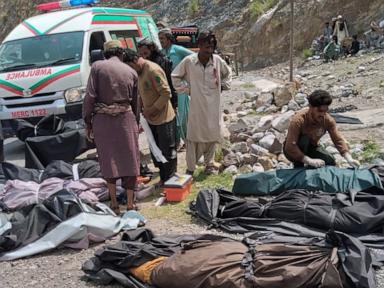
Jalal Aljanani, who owns a restaurant right next door, described running into the smoke and debris immediately after hearing the blast. He found a scene of total chaos, with victims suffering severe impact injuries and bleeding heavily on the floor. Before ambulances could even navigate the traffic, local citizens and shopkeepers were carrying the wounded into private cars to rush them to nearby hospitals. The Syrian Health Ministry eventually confirmed that nine lives were cut short, while twenty people remain hospitalized with varying degrees of trauma.
The Political Powder Keg Behind the Blast
To comprehend why this specific location was targeted, you have to look at what has been happening inside the nearby Palace of Justice. The timing isn't a coincidence. In recent weeks, the courthouse has been holding high-profile trials for several prominent members of former President Bashar al-Assad's ousted government.
The new ruling administration is actively prosecuting former regime officials for corruption and war crimes. This has created an incredibly tense atmosphere in the capital. For the remnants of the old regime, the courthouse represents a stage where their former power is being publicly dismantled. For the new government, it's supposed to be a symbol of accountability and a fresh start.
By targeting a cafe known to be the primary gathering spot for the lawyers and judges running these trials, the perpetrators sent a clear message. They wanted to show that the people executing the new government's legal agenda are exposed, vulnerable, and completely unprotected.
No group claimed responsibility for the attack immediately. That silence itself is telling. It leaves everyone guessing, spinning theories, and doubting the capacity of the current authorities to maintain order in their own backyard.
Security Failure or a New Wave of Insurgency
Damascus Governor Maher Idlibi was quick to declare that this tragedy would not shake the Syrian state, promising that those who shed Syrian blood will face swift justice. But behind the defiant rhetoric lies a massive security failure that the administration can't easily explain away.
Ahmed al-Sharaa, who formerly led the insurgent group Hayat Tahrir al-Sham before rebranding as a national leader, promised to protect all Syrians regardless of their background. He pledged to shield religious minorities and maintain tight control over urban centers. For over a year, his security agencies have regularly announced successful raids against underground terror cells, claiming they had broken the back of the urban insurgency.
This bombing proves those claims were premature. The capital has seen a steady trickle of violence that exposes the cracks in the state's security apparatus. Just last month, a car bomb went off outside a Defense Ministry building, injuring eighteen people and killing a soldier. Go back to July 2025, and a devastating suicide bombing at a Damascus church killed twenty-five people.
The state is fighting a multi-front shadow war against several highly motivated factions:
- Islamic State (ISIS) Cells: Though stripped of territory, underground ISIS networks operate actively in the desert and launch hit-and-run strikes on urban areas.
- Assad Loyalists: Elements of the old intelligence network and specialized military units remain active, deeply bitter about their loss of power and eager to destabilize the new order.
- Local Militias: Armed factions in regions south of Damascus, including Druze militias and local defense groups, remain highly distrustful of the central government’s intentions.
Managing these threats simultaneously is proving to be a logistical nightmare for a reformed military that is still trying to build institutional trust.
What This Means for Everyday Life in Post Assad Syria
For ordinary citizens in Damascus, the cafe bombing destroys the fragile psychological comfort they were beginning to develop. For years, people endured shelling, economic blockade, and the constant fear of arbitrary arrest. When the political shift happened in late 2024, there was a collective sigh of relief, a hope that normal life could finally resume.
Now, that old, familiar dread is back. When a simple trip to a neighborhood cafe carries the risk of being shredded by shrapnel, civilian behavior changes overnight. People stop gathering in public spaces. Business owners on Al-Nasr Street worry about economic ruin as foot traffic evaporates. The legal community is terrified; lawyers are openly wondering if showing up to work at the courthouse makes them a target for assassination.
This insecurity complicates the broader rebuilding process. The al-Sharaa government has been trying to convince international allies and exiled citizens that Syria is open for business and safe for return. Incidents like this ensure that foreign investment remains non-existent and that skilled professionals stay abroad, prolonging the economic stagnation that fuels radicalization in the first place.
How the Syrian State Must Respond
The government can't rely on standard wartime propaganda anymore. Condemning the attack and deploying more armed guards to stand on street corners won't fix the core issue. To prevent Damascus from sliding back into a cycle of constant bombings, the current leadership needs to completely overhaul its domestic security strategy.
First, they have to address the intelligence gap. A individual walking into a high-security district with a one-kilogram explosive device undetected means the local informant and surveillance networks are failing. The government must focus on breaking the black market supply chains that allow explosives and shrapnel to flow into urban centers.
Second, they need to prioritize transparency. When the state hides the details of its investigations or blames vague foreign conspiracies, it loses the public's trust. People need to see that the police are capable of catching the actual planners of these attacks, not just rounding up random suspects to look busy on state television.
Finally, the political process must be broadened. Security isn't just about military strength; it's about reducing the number of people who feel they have no choice but to pick up a bomb. If the new government continues to alienate regional factions and minorities, it will keep producing fertile ground for insurgent recruitment.
The tragedy on Al-Nasr Street is a harsh wake-up call. Syria has changed its leadership, but it hasn't yet escaped its ghosts. If the administration can't secure a few blocks around its own Palace of Justice, the long road to true national stability will remain completely out of reach. For now, the people of Damascus can only watch, wait, and hope that tomorrow doesn't bring another explosion.