Tehran is on a knife-edge right now. The body of late Supreme Leader Ayatollah Ali Khamenei just arrived at the Grand Mosalla, draped in Iran's tricolor and a sacred red flag from the shrine of Imam Hussein. It's the prelude to a massive, five-day state funeral set to run from July 4 to July 9. Millions of mourners are packing the streets of the capital, and the atmosphere is thick with a volatile mix of grief and fury.
This isn't just a regular funeral. It's a massive geopolitical flashpoint happening right in the middle of a fragile ceasefire between the United States and Iran.
The elder Khamenei was killed back on February 28 during the initial joint US-Israeli airstrikes that sparked this war. For months, the conflict raged, delaying his burial. Now, with a preliminary peace deal pausing the bombs, the Islamic Republic is turning his final send-off into a massive show of defiance. Top military brass aren't mincing words. They're openly slamming Washington and warning Donald Trump that any sudden military move right now will be met with immediate, brutal retaliation.
The Ultimate Geopolitical High Wire Act
Let's look at what's actually happening on the ground. Iran's leadership is trying to balance two completely opposing goals. On one hand, they're negotiating a permanent end to the war via Qatari and Pakistani mediators in Doha. On the other hand, they're using this funeral to rally their base and project raw military strength.
Major General Ali Abdollahi, commander of the Khatam al-Anbiya Central Headquarters, issued a blunt public warning to both the US and Israel. He warned against any "miscalculation" during the mourning period, stating that Iran's armed forces are on absolute maximum alert.
They aren't just talking, either. The head of Iran's Civil Aviation Organisation announced temporary, sweeping airspace restrictions over major hubs like Tehran and Mashhad. If any foreign jet or drone gets too close, the situation will spiral out of control instantly.
Adding fuel to the fire, Iran's parliament speaker and chief negotiator, Mohammad Bagher Ghalibaf, explicitly called on the public to treat their attendance as an act of vengeance. He stated that the nation's call for revenge must ring in the ears of the whole world. That's incredibly aggressive rhetoric for a country currently sitting at a ceasefire negotiation table.
Who is Running the Show in Tehran
If you've been trying to keep track of who's actually making decisions inside Iran right now, things just got a lot clearer. General Ahmad Vahidi, the powerful chief of the paramilitary Revolutionary Guard, just emerged from hiding. He hadn't been seen publicly since early February, weeks before the war even started.
State media suddenly published photos of Vahidi attending high-level logistical meetings and sitting directly alongside Khamenei’s casket. Insiders say Vahidi is a core player in dictating Iran’s hardcore stance in the Doha peace talks. He's working closely with the new Supreme Leader, Mojtaba Khamenei.
The Succession Dynamic: Mojtaba Khamenei took over the supreme leadership on March 8, shortly after his father was killed. However, the younger Khamenei has been largely out of sight, reportedly recovering after being wounded in the very same February airstrikes.
The fact that Vahidi has stepped into the spotlight tells us the IRGC is firmly gripping the levers of power during this transition. They want the world to know the regime isn't crumbling.
Logistical Chaos and Global Eyes
The sheer scale of this event is hard to wrap your head around. Iranian officials claim they're prepping for anywhere between 15 to 20 million people to participate over the next few days. The procession starts in Tehran, moves through the holy city of Qom, travels across the border into the Iraqi holy cities of Najaf and Karbala, and finally ends on July 9 with a burial at the Imam Reza shrine in Mashhad.
To keep this massive crowd from starving or rioting, the government has mobilized some absurd resources:
- 50 million loaves of bread are being distributed by state agencies.
- 5,000 mosques and 700 schools in Tehran alone have been flipped into temporary housing for incoming pilgrims.
- 24-hour schedules have been legally mandated for all grocery stores and supermarkets along the route.
Dignitaries from at least 30 countries are flying into this tinderbox. Pakistani Prime Minister Shehbaz Sharif is attending, alongside delegations from China, Afghanistan, and the Caucasus region.
Trump Talks Progress While Tehran Promises Vengeance
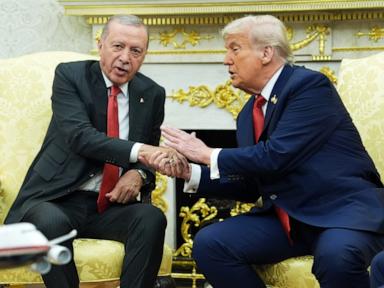
While Tehran prepares for an emotional explosion, Donald Trump is playing it cool on the world stage. In a recent CNBC interview, Trump downplayed the entire conflict, saying, "This is not a war per se. This is the de-nuking of Iran."
Trump claims that negotiators in Doha have already agreed to "just about everything we need." According to US officials, the primary goal remains stripping Iran of its uranium enrichment capabilities completely.
But there's a massive disconnect here. Iranian Foreign Minister Abbas Araghchi hit back hard on social media, targeting the US military presence in the Middle East. He openly questioned whether US Central Command (CENTCOM) has brought any actual security to the region, answers with a flat "no," and maintains that true peace requires zero outside interference.
What Happens Next
The Doha peace talks are officially paused for the next week while this funeral plays out. Mediators say meetings will resume "at the earliest possible time" after the burial on July 9.
If you want to track where this crisis goes next, keep your eyes on three specific indicators:
- Airspace Violations: Look out for any reported drone or jet incursions near the funeral routes in Tehran or Mashhad. Any accidental trigger will shatter the ceasefire.
- Mojtaba Khamenei's Status: Watch to see if the new Supreme Leader makes a physical appearance or if he remains a ghost while Vahidi runs the show.
- The Doha Resumption: See if both sides actually return to the negotiating table on July 10, or if the intense rhetoric of the funeral permanently stalls the peace process.