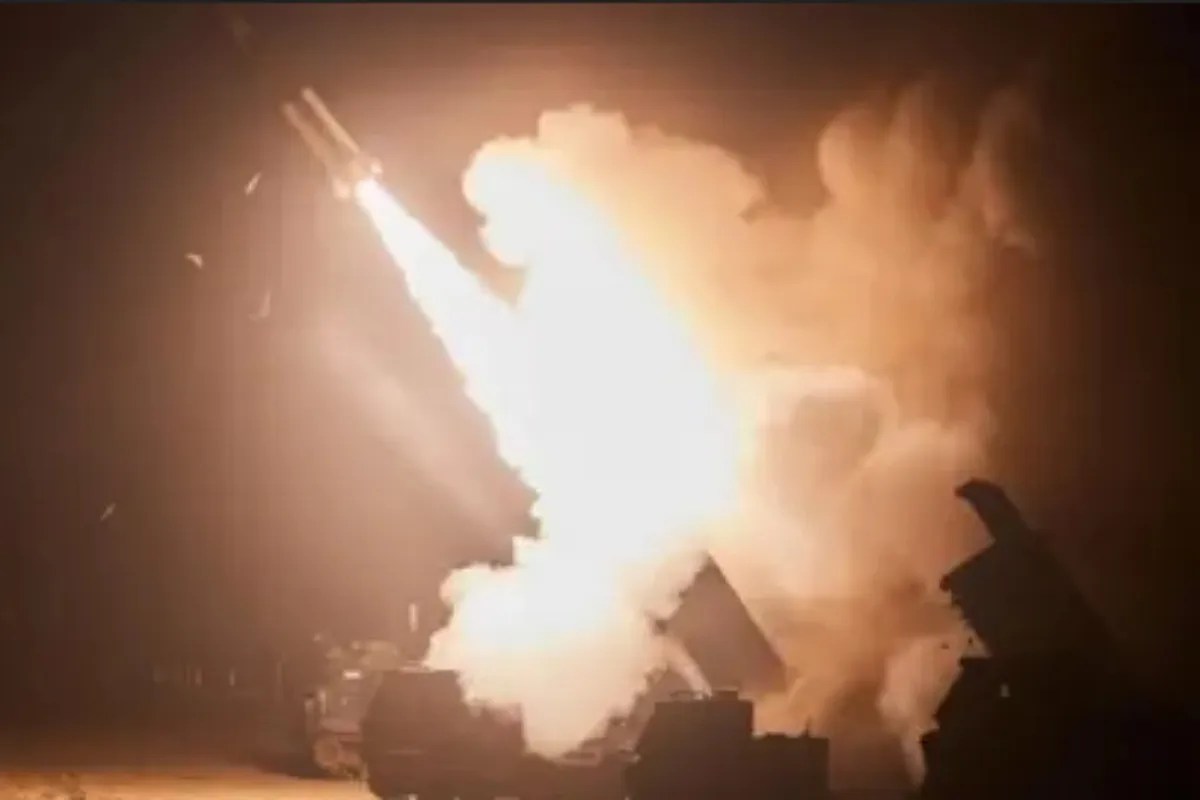
The air over Ukraine hasn't seen a breather in months, but the scale of the latest synchronized strikes shows a massive shift in how Moscow is playing its hand. On July 2, 2026, the Russian Defense Ministry confirmed it pounded Ukrainian positions across 153 separate locations. This wasn't a standard localized skirmish. It was a sprawling, coordinated assault combining tactical aviation, kamikaze drone swarms, heavy artillery, and precision missile units to choke off Ukrainian supply lines and drone launch sites.
If you look past the standard press releases, the true focus of this offensive becomes obvious. Moscow isn't just trying to hold the front line anymore. They're systematically hunting down the infrastructure that allows Ukraine to strike back deep within Russian territory.
The Strategic Reality of the 153 Location Assault
Many mainstream media outlets simply copy and paste military briefings without looking at the map. When you map out 153 simultaneous strikes, you aren't looking at random acts of aggression. You're looking at a calculated strategy to paralyze transport networks and disrupt long-range drone launch facilities.
Ukraine has spent the last year perfecting its long-range drone game, hitting Russian oil refineries and airbases. This massive wave of strikes looks like a direct, brutal answer to those operations. By targeting the exact locations where Ukraine launches its fixed-wing drones, Russia is trying to blind and disarm its opponent before a major summer push.
The assault relied heavily on a mixed-threat approach. Instead of just firing a volley of cruise missiles, Russian commanders used a combination of low-cost strike drones to exhaust air defense radars before sending in precision missiles and guided aerial bombs to finish the job.
Deciphering the Absurd Drone Numbers
The numbers coming out of the defense briefings are staggering, almost to the point of disbelief. Russian air defense systems claim to have downed 631 fixed-wing drones and 11 guided aerial bombs over the same twenty-four-hour period.
Even if you take government-issued statistics with a healthy dose of skepticism, the sheer volume tells us one thing. The sky is absolutely saturated with uncrewed aircraft. We're seeing an unprecedented level of attrition.
What does this mean for the average observer? It means the side that can manufacture, deploy, and jam drones at a faster rate holds the tactical advantage. Ukraine has relied heavily on agile, decentralized drone workshops. Russia, meanwhile, has scaled up industrial-sized manufacturing plants to churn out thousands of units per week.
This isn't a war fought by classic military textbooks. It's a war of industrial stamina.
The Black Sea Fleet Stays in the Fight
Away from the main land battles, the naval front remains highly volatile. The Russian Defense Ministry noted that its Black Sea Fleet intercepted and destroyed a Ukrainian uncrewed surface vessel in the northeastern section of the Black Sea.
Ukraine has successfully forced much of Russia's traditional naval power out of Sevastopol using explosive sea drones. Yet, Moscow is adapting. They're using rapid-response patrol boats and airborne surveillance to hunt down these sea drones before they can get close to valuable naval targets. It's a deadly game of cat and mouse that directly impacts global shipping lanes and grain corridors.
The Fall of Piskunovka and the Donbas Squeeze
While the air war gets the big headlines, the ground reality in the Donbas region remains a slow, grueling slog. Alongside the 153 targeted strikes, Russian forces managed to take full control of the settlement of Piskunovka.
Don't let the small size of these villages fool you. Every minor settlement in the Donbas serves as a fortified defensive hub or a crucial crossroads for logistics.
Losing Piskunovka forces Ukrainian commanders to redraw their defensive lines, stretching thin resources even further. It puts additional pressure on nearby logistics hubs, making it harder to rotate exhausted troops out of the trenches and bring in fresh ammunition.
Why Technical Overhaul of Air Defense Is Urgent
This latest escalation highlights a massive problem that Western allies and Ukrainian strategists are desperately trying to solve. Standard air defense missiles cost millions of dollars each. Using them to shoot down a drone that costs a few thousand bucks is a losing financial proposition.
Military planners have to shift toward electronic warfare, anti-drone jamming networks, and rapid-fire gun systems. Relying solely on high-tech missile batteries isn't sustainable when hundreds of targets are flying across the border every single day.
What to Watch for Next
Keep your eyes on the transport hubs. If Russia continues to successfully disrupt Ukrainian rail lines and transit infrastructure, moving heavy Western armor and artillery to the front lines will become nightmare territory for Kyiv.
The next few weeks will show whether Ukraine can adapt its drone launch tactics to avoid these preemptive strikes or if Russia's reconnaissance-strike loop has become too fast to counter. Watch the frequency of Ukrainian deep-strike attempts inside Russia. If those drop off, it means Moscow's campaign against the 153 target zones actually achieved its goals.
For a deeper look into the tactical realities on the ground and how these drone intercept strategies are playing out, check out this detailed breakdown of the Massive Strike Wave. This footage offers a clear look at the scale of modern uncrewed warfare and the immense pressure it places on tactical defenses.